Welcome to the Gaston County BGEI Hub
The Business Growth and Engagement Initiative (BGEI) is Gaston County’s reimagined and expanded approach to supporting small, minority, and women-owned businesses. Building on the foundation of the County’s MWBE Program, BGEI fosters a more supportive ecosystem that empowers all local businesses while ensuring compliance with North Carolina HUB/MWBE statutory requirements.
It connects businesses with county departments, regional partners, and resource providers through coordinated outreach and direct communication. This approach helps ensure that businesses understand procurement processes, upcoming opportunities, and the support available to participate in county projects.
Gaston County BGEI and MWBE Program Overview
Coming Soon!
The Minority and Women-Owned Business Enterprise (MWBE) Program supports actions and strategies that expand opportunities for historically underutilized businesses (HUB) in Gaston County construction and repair contracting projects.
In accordance with North Carolina Gen. Stat. (“G.S.”) § 143-128.2, these guidelines establish goals for minority participation in single-prime bidding, separate-prime bidding, construction manager at risk, and alternative contracting methods, on Gaston County Board of Commissioners’ building construction or repair projects in the amount of $300,000 or more. The outreach plan shall also be applicable to the selection process of architectural, engineering, and Construction Manager-at-Risk services.
North Carolina G.S. 143‑128.2 requires the State and any public or private entity receiving State funds for a building project to set a verifiable 10% minority business participation goal and to make documented good‑faith efforts to involve minority firms. Public entities must adopt participation goals, conduct outreach, notify minority businesses before bidding, and require contractors to show how they will meet the goal or demonstrate their good‑faith efforts through affidavits and documentation. Contractors must identify minority subcontractors, cannot replace them without proper justification, and must follow specific outreach and negotiation practices established by rule. The statute defines who qualifies as a minority business or minority person, requires nondiscriminatory award of contracts based on lowest responsible, responsive bids, mandates retention of related public records for three years, and applies to building projects costing $300,000 or more, with limited exceptions.
The North Carolina General Statute § 143-128.4 defines a "minority business" as a business that is:
- At least 51% owned and controlled by one or more minority persons or socially and economically disadvantaged individuals. The statute also includes corporations in which at least 51% of stock is owned by one or more minority or socially and economically disadvantaged individuals.
- A “socially and economically disadvantaged individual” is defined by reference to a federal statute (15 U.S. C. § 637). Socially disadvantaged individuals are:
“Those who have been subjected to racial or ethnic prejudice or cultural bias because of their identity as a member of a group without regard to their individual qualities.” Economically disadvantaged individuals “are those socially disadvantaged individuals whose ability to compete in the free enterprise system has been impaired due to diminished capital and credit opportunities as compared to others in the same business who are not socially disadvantaged.”
The statute defines the term “minority person” as the following:
- Black
- Hispanic
- Asian American
- American Indian
- Female
- Disabled
- Disadvantaged
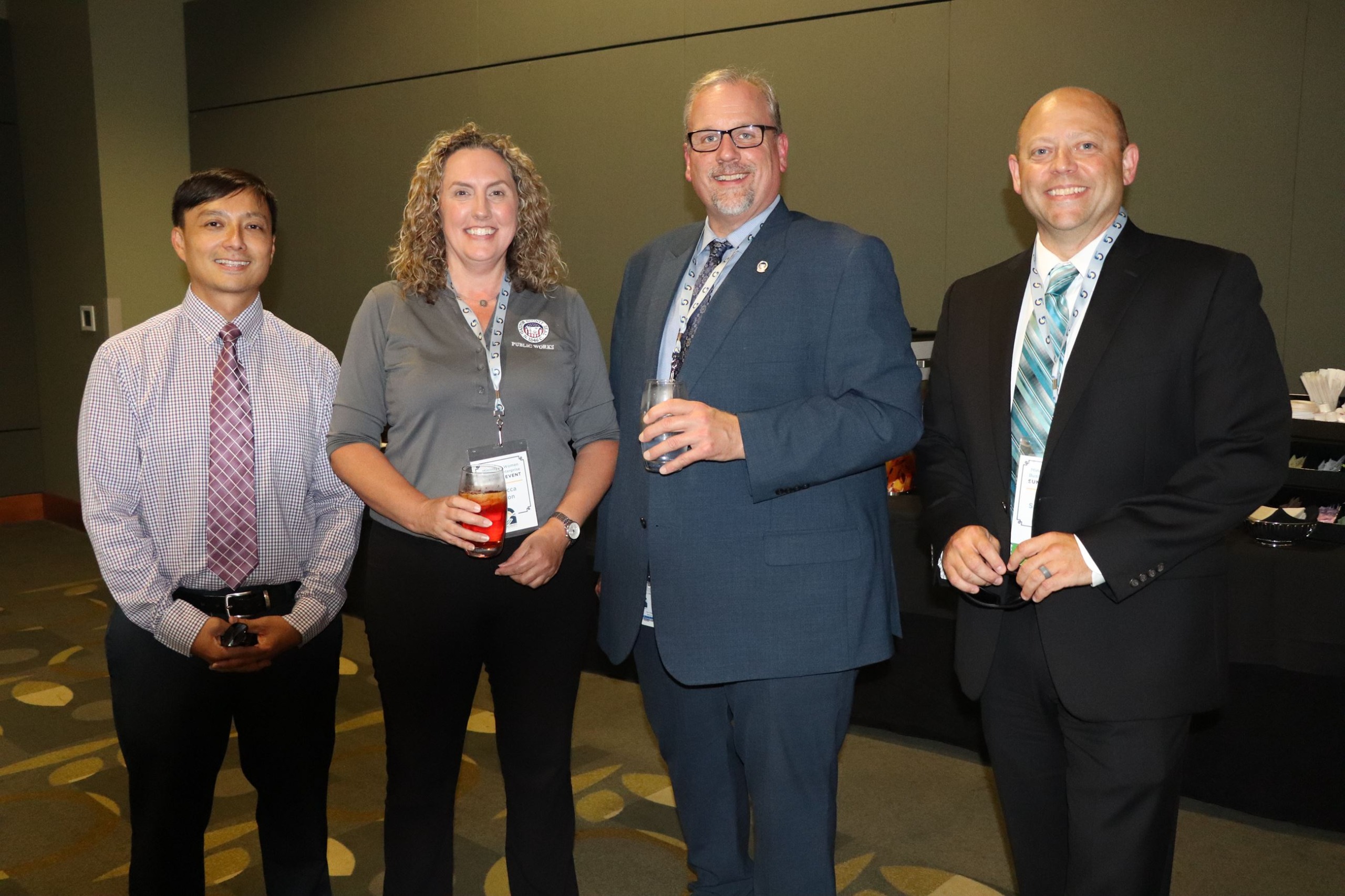
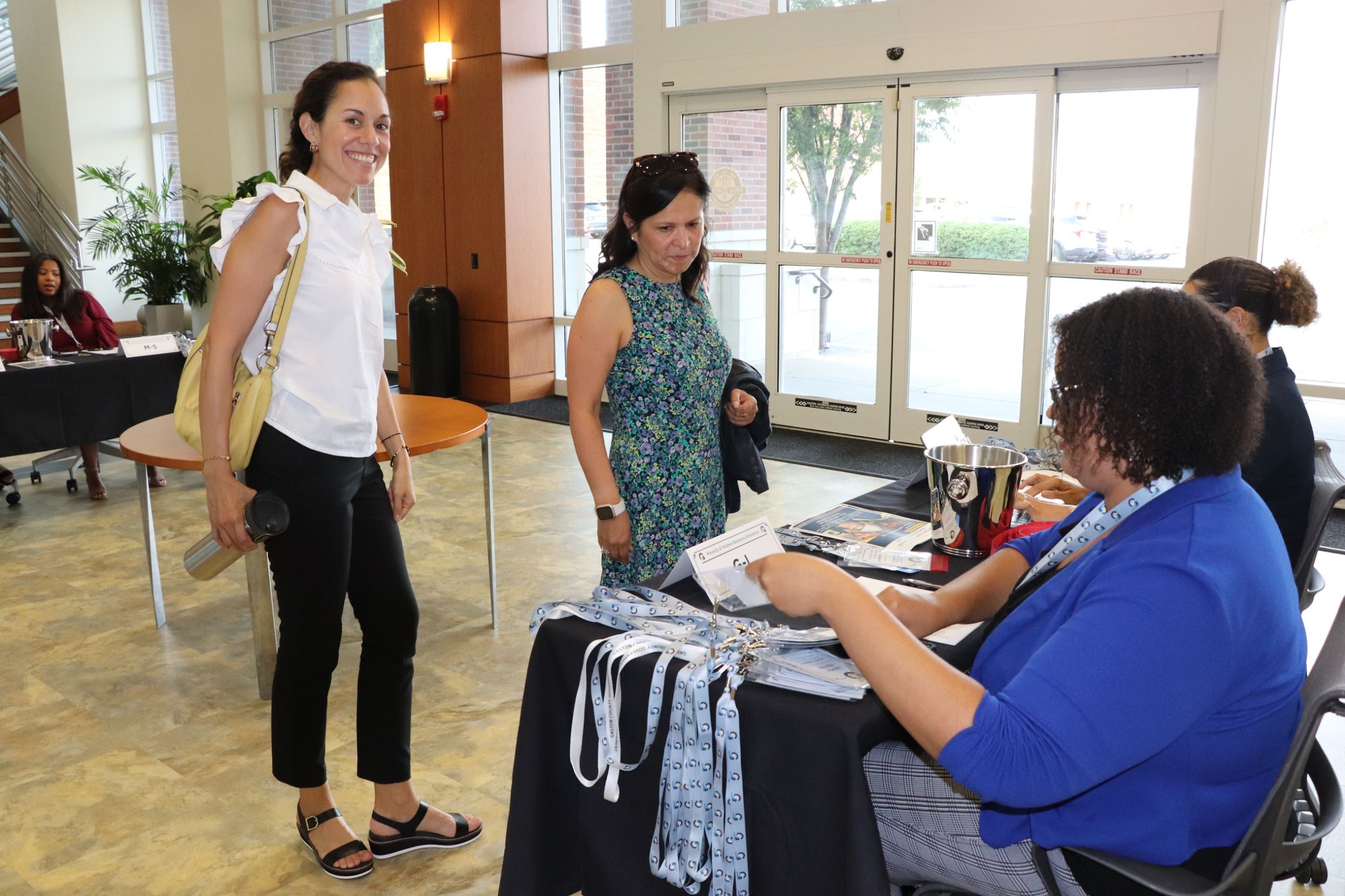
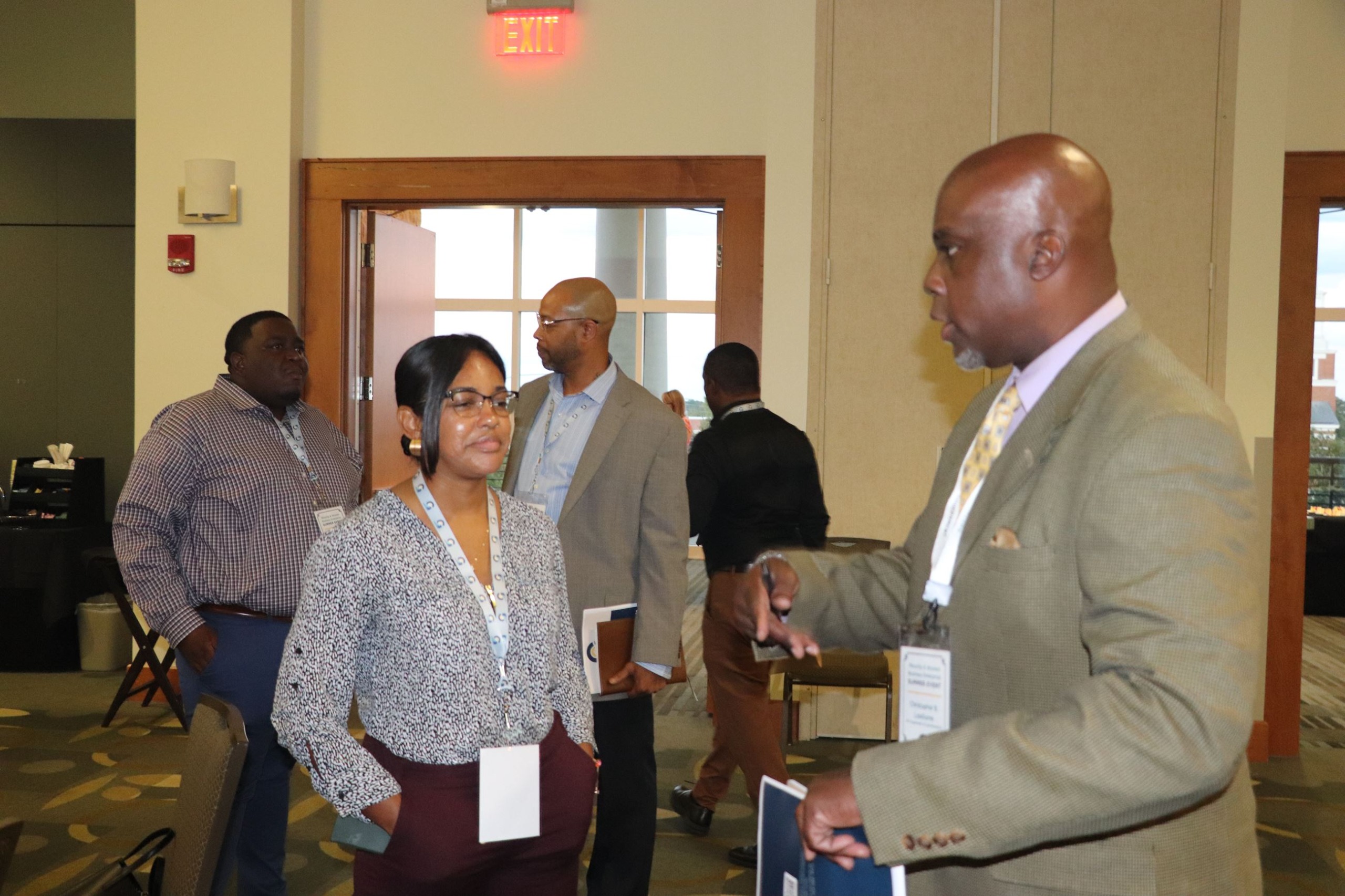
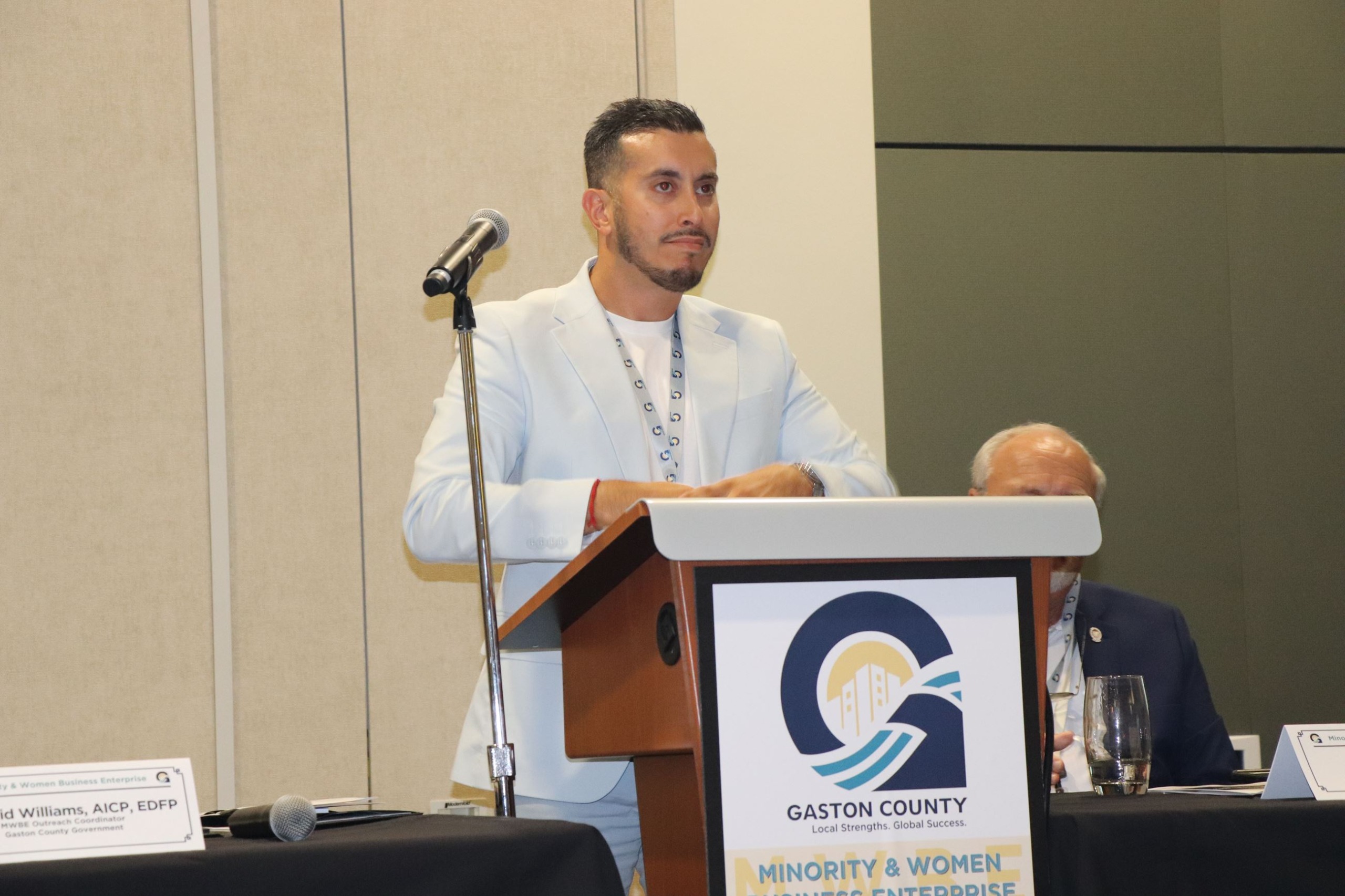
Photo Gallery
Image 1 of 10